
 See My Latest Article on HelloNation

What Does Planning a Memorial Service Involve?
Organizing a memorial service in Kansas City, MO involves making a variety of choices about how to honor a loved one’s life and bring together family and friends. Unlike a traditional funeral, memorial services allow flexibility in timing and structure, which can help families who need more time or want a more personalized approach. Residents in the city often plan memorial services for several weeks after a death, providing more space for out-of-town guests to attend and for thoughtful planning.
How Do You Begin the Planning Process?
Start by considering your loved one’s wishes, any religious or cultural traditions, and the needs of those who will gather to remember them. While some families reference written requests, others hold discussions among close relatives to decide on the service’s style and tone. In Kansas City, many find comfort by including elements that reflect local traditions or favorite activities—such as sharing memories at a family home or favorite park, or selecting music that held meaning to the person being honored.
Key initial considerations include:
- Deciding on a date and time that allows key attendees to participate.
- Choosing whether the gathering will be private or open to the broader community.
- Determining the style—formal, casual, secular, or faith-based.
Who Should Lead or Facilitate the Service?
Anyone can officiate a memorial service, based on the preferences of the family and the wishes of the person who passed away. Some families invite a clergy member, while others choose a trusted friend or family member to serve as facilitator. In the city, families sometimes ask a community member who shared a close relationship with the individual to lead, ensuring the service feels genuine and personal.
Before asking someone to facilitate, discuss:
- Their comfort level with public speaking.
- Any preferred readings, poems, or religious elements.
- The overall tone (solemn, uplifting, a blend of both).
What Kinds of Locations Are Commonly Used?
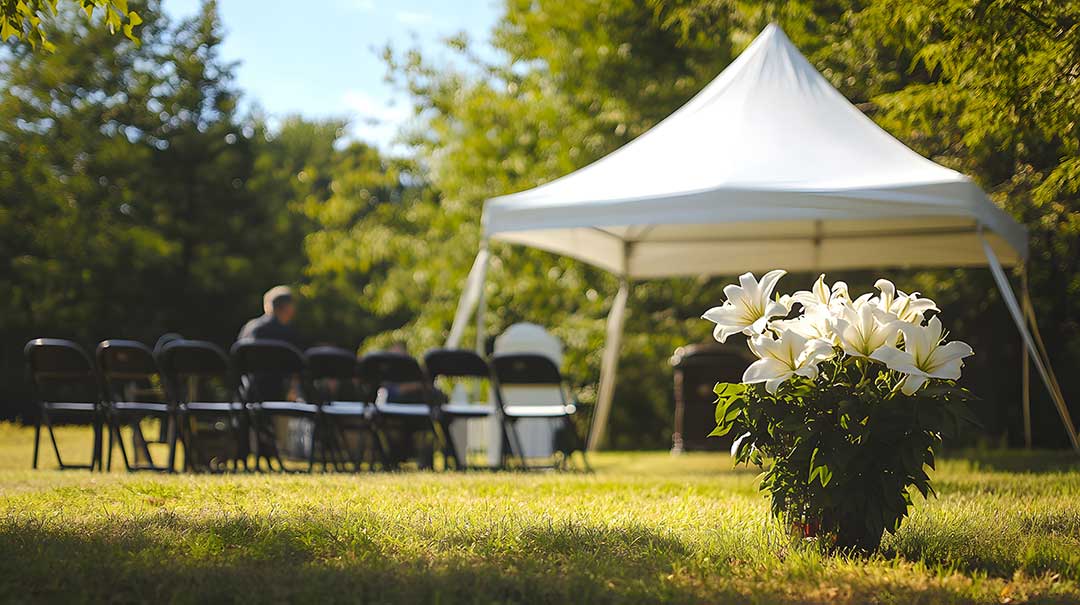
Memorial services in Kansas City are held in a wide range of venues—faith settings, community halls, outdoors in local parks, or at home. Weather and accessibility matter, especially since area conditions can be unpredictable throughout the year. If holding a service outdoors, always have a backup plan in case of rain or storms, which are common in spring and summer.
Some location options include:
- Faith community spaces or sanctuaries.
- Private homes with enough seating.
- Community centers.
- Parks or gardens (contact municipal offices about permits).
The choice of venue often reflects the life of the person being remembered and the size of the group expected to attend.
How Is the Service Structured?
A memorial service can be highly individualized, but certain components are common:
- Welcome message and introduction
- Readings (religious texts, poems, or writing from the loved one)
- Eulogies or shared stories from friends and family
- Candle lighting, music, or slideshow presentations
- Moment of silence or special rituals
In Kansas City, families often include local touches, such as playing a favorite jazz musician’s recording or displaying photo boards with images from local landmarks.
To create a meaningful structure:
- Make a list of who will speak or share.
- Arrange for music, either live or recorded.
- Test any necessary audiovisual equipment before guests arrive.
What Memorialization Methods Are Available Locally?
After the service, some families in the city choose to dedicate a memorial monument, plaque, or bench in memory of their loved one. City regulations around monuments in public spaces, such as parks or cemeteries, should be checked directly with local authorities. Personalized stones or markers at cemeteries are also a traditional choice. Cremated remains may be interred, scattered in accordance with local regulations, or kept in a private location.
Common memorialization methods include:
- Engraved markers, benches, or plaques
- Tree or flower plantings in memory
- Donations to local causes favored by the person who died
These options give families lasting ways to remember and visit their loved one, fitting into the fabric of Kansas City life.
How Should Notices and Invitations Be Handled?
Kansas City families share memorial details in a variety of ways. Options include printed invitations, email, phone calls, and posting in local newspapers or online community forums. For larger or more public gatherings, newspaper obituaries or online memorial pages are common ways to inform friends and extended connections. Always include the time, date, location, and any special instructions—such as dress code or requests for shared stories or memorabilia.
What Are Some Common Misconceptions or Overlooked Details?
Many assume every memorial service must follow the structure of a traditional funeral, but area residents often personalize services to reflect cultural backgrounds, hobbies, or passions. Another misconception is that only religious leaders can officiate; in fact, anyone trusted by the family can lead the gathering.
Some details are easily missed:
- Checking venue accessibility for guests with physical limitations.
- Coordinating with the venue about seating and parking.
- Making space for informal visiting or refreshments after the service.
Are There Seasonal or Local Considerations?
Kansas City’s weather and community calendar can affect planning. High summer temperatures or icy winter conditions may influence venue choice or transportation for attendees. Families sometimes schedule memorial services to coincide with important anniversaries or to avoid major local events that impact traffic or availability of spaces.
Holding services in any season is possible, but prepare for:
- Rain or storms in spring and summer.
- High humidity or heat during summer months.
- Snow or possible icy conditions in winter.
What Support Resources Are Available?
Alongside family support, local residents may find comfort in community grief resources, such as non-profit support groups or faith-based counseling. While it’s not required to engage outside organizations, these options can provide emotional support and practical advice through the planning process and beyond.