

 See My Latest Article on HelloNation
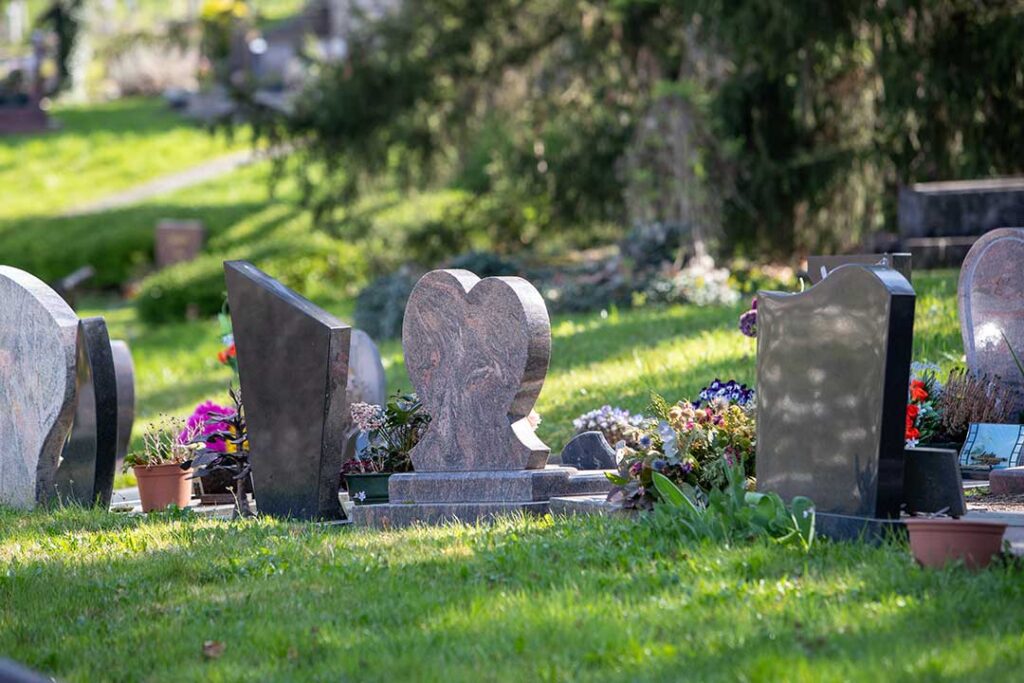
Why Does Headstone Material Matter for Kansas City, MO?
Headstone materials directly impact how well a monument stands up to years of sun, storms, and temperature swings. In Kansas City, MO, the combination of harsh winters, hot summers, and rapidly changing weather can take a toll on cemetery markers. Making an informed choice helps families avoid common issues like cracking, staining, or fading.
What Climate Factors Affect Headstone Longevity?
The city’s climate brings both moisture extremes and freeze-thaw cycles that can stress monument materials. Winters deliver ice and snow, while humid summers bring strong sunlight and the potential for acid rain.
Key climate factors that matter:
- Freeze-thaw cycles: Moisture seeps into porous materials, freezes, then expands, causing cracks.
- UV exposure: Sunlight can fade colors and weather some types of stone faster.
- Air pollution and rain: Acidic rainwater can erode stones and stain surfaces.
Which Materials Withstand the Climate Best?
The most common headstone materials are granite, marble, sandstone, and bronze. Each behaves differently under local conditions.
Granite:
Granite is widely valued for its toughness. Its density resists water penetration, making it less likely to crack during freezing temperatures. Granite also holds up well against heat, humidity, and pollution; it rarely stains and maintains its finish for decades. For most Kansas City area cemeteries, granite is considered a practical and dependable option.
Marble:
While elegant, marble is more porous than granite and can erode more quickly. Acid rain is especially damaging, often causing marble inscriptions to fade and surfaces to develop a weathered, sugary texture over years. In the city's variable climate, expect marble markers to show wear far sooner than granite.
Sandstone and Limestone:
These materials were commonly used in older cemeteries, but their softness and porosity make them vulnerable to water and frost damage. While sandstone can display beautiful colors and patterns initially, it is prone to flaking and crumbling in our area’s freeze-thaw cycles.
Bronze:
Bronze is usually mounted on a granite base. It resists water and ice, but over time, develops a greenish patina from oxidation. This patina helps protect against further corrosion. Bronze plaques can be a low-maintenance option for those less concerned with color changes.
Can Headstones Fade or Stain in This Area?
Yes, but some materials are much more vulnerable than others. The sun’s UV rays, driving rain, and urban dust can all alter a monument’s appearance over time.
How weather can affect common materials:
- Polished granite resists most stains and fading, though lighter colors may show water marks or algae growth in shaded, damp corners.
- Darker granites may appear mottled after decades as micro-scratches accumulate, but this rarely impacts their structural integrity.
- Marble and sandstone often lose surface definition, with details eroding first around carved letters or images.
- Bronze darkens to a green-brown tone; some families see this as a natural part of its aging.
Are Certain Colors or Finishes More Durable?
The finish and color of a headstone alter how it ages outdoors.
- Polished granite is less likely to absorb stains or host moss than unpolished (rough or honed) surfaces.
- Lighter-colored stones highlight dirt and biological growth more easily, while deeper shades can mask it but may show scratches.
- Specialty finishes, like sandblasted or matte surfaces, tend to hold grime and weather the fastest in exposed settings.
Tip: If a specific look is essential, discuss future appearance changes so you know what to expect decades from now.
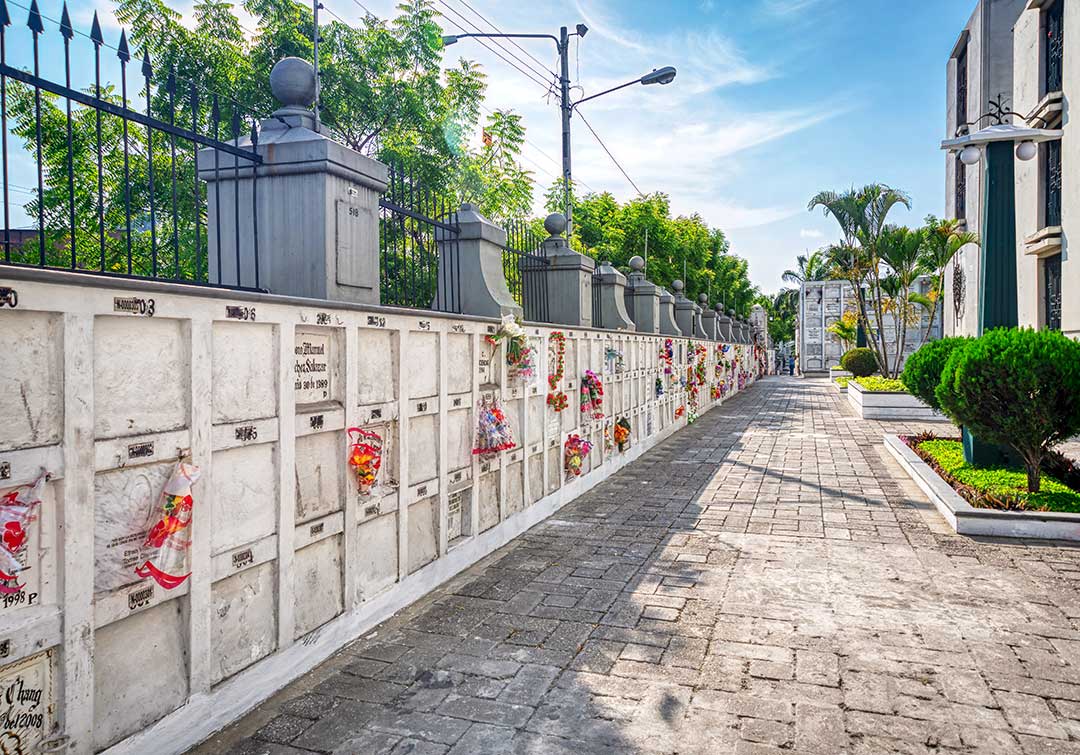
Are There Cemetery-Specific Rules About Materials?
Most Kansas City cemeteries have guidelines or regulations about which materials and monument types are permitted. These rules may exist for maintenance reasons, historical consistency, or safety.
- Regulations may specify allowed colors, sizes, or finishes, especially in historic or military sections.
- Some cemeteries limit softer materials due to concerns about long-term upkeep.
Always confirm current guidelines for your chosen cemetery before finalizing material or design choices.
What Maintenance Should Be Expected Over Time?
Even the most durable material will change slowly with age. Local families commonly ask about practical maintenance:
- Granite only requires occasional rinsing and gentle cleaning with water and a soft brush.
- Marble and softer stones may need more frequent attention, but should never be scrubbed with harsh chemicals.
- Bronze may be gently cleaned but will inevitably darken as it naturally oxidizes.
Common misconception: Bleach or strong cleaners should be avoided on all materials, as they can cause irreversible harm or accelerate damage.
What Are Some Overlooked Considerations When Selecting Material?
A headstone is meant to serve as a lasting tribute, but some practical details are overlooked:
- Family plots might look more unified if the same material and finish are chosen for all markers.
- Very intricate designs show up best on dark, fine-grained granites.
- For shaded or tree-lined spaces, be aware that sap, berries, and leaf litter can stain lighter stones more rapidly.
If a marker will be in a particularly exposed spot, weather-resistant materials and simple, bold lettering will stand out best over time.