

 See My Latest Article on HelloNation
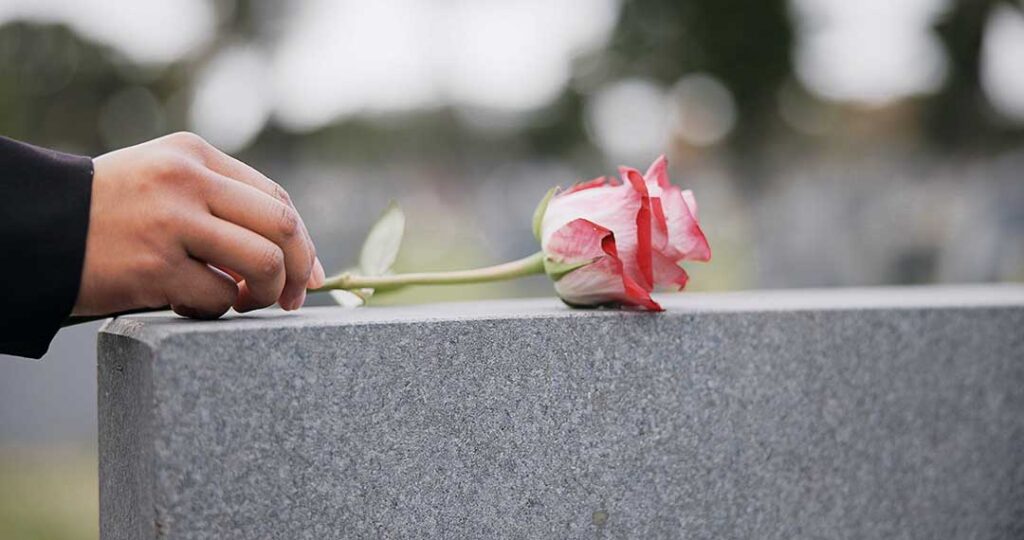
What Are Headstones, Tombstones, and Grave Markers?
Headstones, tombstones, and grave markers are terms often used interchangeably, but each has a distinct meaning rooted in history and tradition. All three are types of memorials placed on graves, but the specifics differ—sometimes in style, placement, or material. For families and individuals in Kansas City, MO, choosing the right term and type can help ensure a respectful and fitting tribute.
What Is a Headstone?
A headstone is a stone marker placed at the head of a grave, usually upright and inscribed with personal information. It has become the most common type of grave memorial used in modern cemeteries throughout the city.
Traditionally, headstones have these features:
- Positioned at the head (top) of the grave
- Typically upright, rectangular, or tablet-shaped
- Made of durable materials such as granite or marble
- Inscribed with names, dates, and sometimes personal messages or religious symbols
In many Kansas City cemeteries, especially those with historical sections, you will find rows of upright headstones—sometimes simple and sometimes elaborately carved. Freezing winters, wet springs, and sun-filled summers mean that local families often select granite for durability, as it withstands the area's seasonal freeze-thaw cycles better than softer stones.
How Is a Tombstone Different?
Tombstone is an older term that, historically, referred to the stone lid or slab covering an entire burial chamber or tomb. Over time, in common language, "tombstone" has come to mean almost any type of grave marker, though it's less commonly used by cemetery professionals today.
Key points about tombstones:
- Originally described a slab laid flat over a grave or the entrance to a burial vault
- Term is most often heard in historical or literary contexts
- In daily local usage, some people still call all upright markers "tombstones," though "headstone" is more accurate
Cemeteries in Kansas City, especially older family plots or heritage sites, may still have true tombstones—flat or slightly raised tablets spanning the length of a grave, not just at the head. These are less common in modern burials.
What Defines a Grave Marker?
A grave marker is any item used to mark the location of a burial, but in local and national cemetery terminology, it usually means a flat or low-profile monument. These markers rest at ground level or are slightly raised, differing from upright headstones.
- Usually flat plaques or tablets placed flush with the ground or slightly elevated
- Commonly made from granite, bronze, or a combination of the two
- Chosen for ease of lawn maintenance and a more subtle appearance
Many cemeteries in Kansas City, often in newer sections, require or recommend grave markers instead of upright stones. This standardizes landscaping and can be more affordable for families. Veterans' sections in local cemeteries often feature rows of uniform, flat markers notable for their organization and dignity.
Why Do These Differences Matter to Families in Kansas City, MO?
Understanding these terms can help area households make decisions that match cemetery regulations, family traditions, and personal wishes. Local cemeteries can have strict guidelines about what types of markers are allowed and where.
A few practical reasons these distinctions matter:
- Certain cemeteries or sections only allow flat markers for ease of maintenance
- Upright headstones may be permitted only in designated areas
- Older family plots may use terminology like “tombstone” or “ledger stone,” which has historical significance for descendants

With the region's variable climate, materials are an important consideration. For example, bronze and granite are favored both for their resilience to Kansas City's seasonal weather and their resistance to lawn equipment and environmental wear.
Are There Other Common Memorial Types?
Yes, though less frequent, you may also encounter terms like “footstones,” “ledger stones,” or “monuments.” These typically differ in placement or size:
- Footstones: Small markers placed at the foot of a grave, sometimes used with a headstone
- Ledger stones: Large, flat stones covering the entire grave, similar to original tombstones
- Monuments: Larger memorials, sometimes commemorating family groups or notable individuals
Most modern graves in Kansas City cemeteries—especially those maintained by municipalities or large organizations—use upright headstones or flat grave markers, according to local standards and policies.
Common Misconceptions and Local Considerations
Many people believe “headstone” and “tombstone” always mean two different things, but today, most local funeral professionals use “headstone” for upright markers, regardless of the term’s historical origins.
Families may also confuse headstones with graves themselves, but the marker is distinct from the burial plot. Regulations about height, material, and design can vary between public, private, and religious cemeteries in the area. It’s helpful to check with relevant cemetery management before making decisions, especially if the location has unique guidelines or historical requirements.
How Should Families Decide?
Choosing the right marker involves practical, aesthetic, and emotional decisions. Considerations include:
- Adhering to cemetery requirements for type and material
- Reflecting family traditions—some families choose styles based on generational preference
- Budget and maintenance over time, especially with Kansas City's variable weather
- The desired level of visibility or prominence in the cemetery
In summary, while these terms are sometimes used interchangeably, understanding the clear differences between headstones, tombstones, and grave markers helps honor historic traditions and meet present-day needs in Kansas City.