
 See My Latest Article on HelloNation
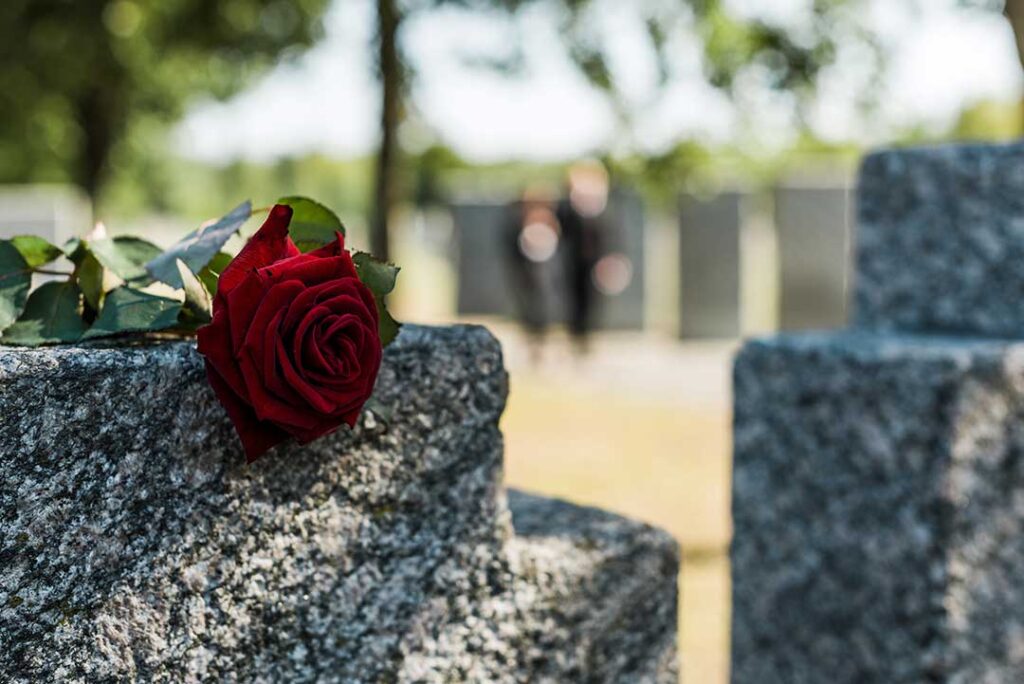
Choosing a headstone or memorial involves more than selecting a stone and engraving. The total cost may include the marker itself, design work, lettering, foundation preparation, cemetery fees, delivery, installation, and future maintenance. For families in Kansas City, MO, understanding each part of the price can make planning less stressful and reduce unexpected charges.
What is the typical cost of a headstone?
A basic flat granite marker may cost roughly $500 to $1,500 before cemetery charges and upgrades. A standard upright granite monument commonly falls between $2,000 and $5,000, although larger designs and extensive customization can cost more.
Bronze markers mounted on granite bases often range from about $1,500 to $4,000. Companion monuments made for two people generally cost more than single markers because they use additional stone, require more lettering, and are usually wider or taller.
These are planning ranges rather than fixed prices. The final amount depends on the cemetery’s rules, the material selected, the size of the memorial, the amount of inscription, and whether installation and foundation work are included.
Which type of memorial costs the least?
Flat markers are usually the least expensive permanent option. They sit level with the ground and require less material and installation labor than upright monuments. A simple granite marker with a name, dates, and a small design may be suitable for cemeteries that require a low-profile appearance.
Other common choices include:
- Flat granite markers: Durable, relatively simple, and often less expensive than upright stones.
- Bronze plaques: Usually attached to a granite base and available with raised lettering, emblems, or decorative borders.
- Upright granite monuments: More visible and customizable, but generally more expensive because of their size and foundation requirements.
- Companion monuments: Designed for two individuals and priced according to width, stone thickness, lettering, and design.
- Benches or specialty memorials: Often cost more because they require additional stone, shaping, structural support, or detailed carving.
A less expensive marker is not necessarily less meaningful. Cost often reflects material volume and labor rather than the emotional significance of the memorial.
What factors have the greatest effect on price?
The largest cost differences usually come from size, material, and customization.
Size and thickness affect the amount of stone needed and the strength of the foundation. A small tablet with basic lettering may be much less expensive than a tall monument with a separate base.
Granite color and origin can also change the price. Gray granite is often among the more affordable choices. Black, red, blue, or unusually patterned granite may cost more because of quarry availability, processing, and demand.
Lettering is priced by the number of characters, the style of engraving, and whether the letters are sandblasted, laser-etched, polished, or finished with paint or gilding. A name and dates cost less than a long verse, military history, nickname, or detailed family inscription.
Artwork and portraits add labor. Simple religious symbols, flowers, flags, or geometric borders may be modest upgrades. Hand-rendered scenes, etched portraits, and complex illustrations can substantially increase the price.
Additional features may include vases, ceramic photographs, carved roses, emblems, benches, or matching footstones. Each feature should be listed separately so the family can see what is optional.
What fees are often separate from the stone?
The advertised price of a memorial may not represent the complete installed cost. Before approving an order, ask whether the price includes:
- Cemetery approval or permit fees
- Concrete foundation or setting pad
- Delivery to the cemetery
- Installation and leveling
- Surface preparation and lettering
- Sales tax
- Temporary storage
- Removal of an existing marker
- Cleaning or resetting of an older monument
Upright monuments commonly require a reinforced foundation or concrete base. The cemetery may specify its dimensions, depth, curing requirements, and installation schedule. In some cases, the cemetery charges a separate inspection or setting fee even when the monument price includes delivery.
A written itemized price is useful because two apparently similar quotes may include very different services.
Why should cemetery rules be checked first?
The cemetery controls many practical details, including the size, shape, material, placement, foundation, and timing of a memorial. Some sections allow only flush markers. Others permit upright monuments but limit their height, width, color, or decorative elements.

Rules may also address:
- Matching an existing family marker
- Required spacing from neighboring graves
- Permitted vase styles
- Seasonal installation restrictions
- Foundation dimensions
- Temporary markers
- Cleaning and repair responsibility
- Approval of photographs or special artwork
In the Kansas City area, seasonal weather can affect scheduling. Freeze-thaw cycles, heavy rain, and saturated ground may make certain installation periods less practical. The cemetery may postpone foundation work or setting until the soil and concrete conditions are suitable.
Checking the regulations before designing the stone helps prevent paying for a memorial that cannot be installed as planned.
Does timing affect the cost?
It can. Custom granite work, bronze casting, ceramic photographs, and special artwork may require several weeks or months. A rush order may involve additional charges, while a delayed decision can create problems if a family wants the memorial installed before a particular anniversary or holiday.
Ground conditions may also affect timing. A memorial cannot always be installed immediately after burial, especially if the cemetery requires the grave area to settle or the foundation to be installed during appropriate weather.
Families should ask for an estimated production and installation schedule, but should treat it as a range rather than a guarantee.
Can a memorial be made more affordable?
Yes. The most effective savings usually come from simplifying the design rather than choosing a poor-quality material.
Consider limiting the inscription to the essentials, selecting a standard granite color, using a stock shape, or postponing optional artwork. A family can also compare the cost of a flat marker with an upright monument and ask whether an existing family monument can be updated instead of replaced.
For a companion memorial, it may be possible to purchase a stone with space for a second inscription later. That approach can spread costs over time, but the cemetery’s rules and the stone’s available inscription area should be confirmed before ordering.
Veterans and their families may also qualify for government-provided memorial benefits in certain burial settings. Eligibility, available designs, placement rules, and transportation responsibilities vary, so those benefits should be verified before purchasing a private marker.
What should be included in a written quote?
A complete quote should identify the stone’s material, dimensions, color, finish, shape, inscription, artwork, base, and accessories. It should also state whether foundation work, delivery, installation, cemetery fees, taxes, and future lettering are included.
Review the spelling of every name, date, rank, relationship, and quotation carefully. A small engraving error can be costly to correct, particularly after the stone has been finished or installed.
The clearest way to compare memorial prices is to compare complete installed totals rather than the price of the stone alone. That approach shows what the family will actually pay and makes it easier to choose a respectful memorial within a defined budget.