
 See My Latest Article on HelloNation
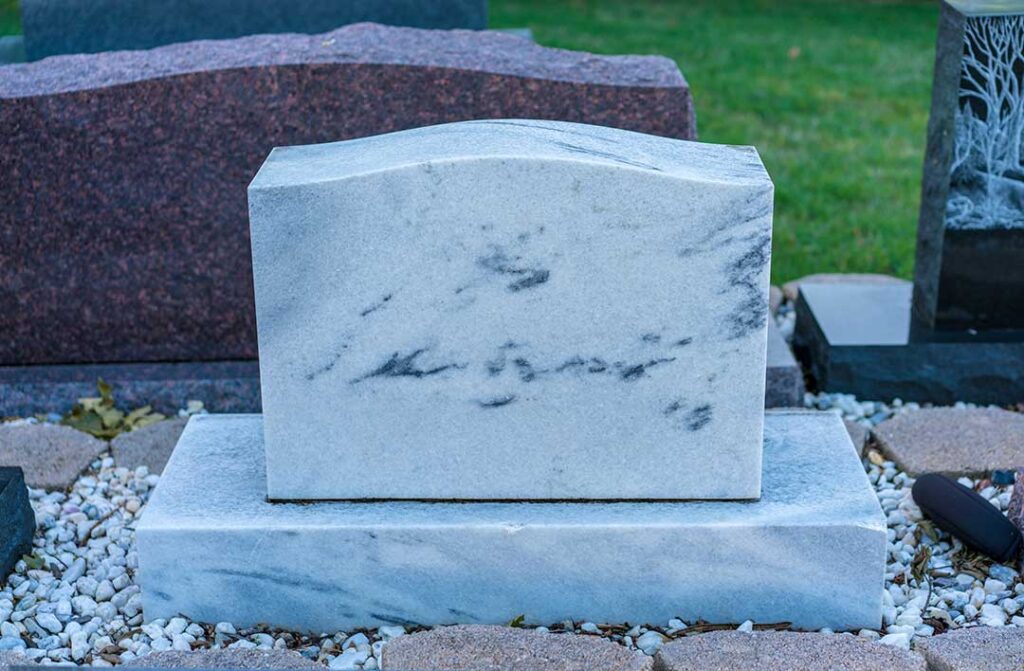
Choosing a funeral monument involves more than selecting a stone and engraving. Families also need to understand cemetery rules, long-term maintenance, design limitations, installation requirements, and how the material may respond to local weather.
The right questions can prevent delays, unexpected costs, and changes that may affect the memorial’s appearance or meaning.
Does the cemetery allow the type of monument being considered?
The cemetery’s rules should be reviewed before selecting a design or ordering materials. Every cemetery may set its own requirements for monument size, shape, material, finish, lettering, installation, and placement.
Ask:
- Are upright monuments permitted, or are only flat markers allowed?
- What are the maximum height, width, and thickness?
- Is a companion monument allowed for two people?
- Are vases, benches, statues, or photographs permitted?
- Does the cemetery require a specific foundation or base?
- Must the cemetery approve the design before fabrication?
- Are there rules about seasonal flowers, decorations, or temporary items?
A monument that meets one cemetery’s standards may not be accepted elsewhere. Written rules are more reliable than assumptions based on nearby graves.
Who owns the burial space, and who has authority to approve the monument?
The person arranging the monument may not be the person legally recognized as the lot owner. Cemetery records often identify the owner of the burial space and may specify who can authorize a new memorial, inscription, repair, or replacement.
Ask the cemetery to confirm:
- The exact location and lot identification
- The recorded owner of the burial space
- Whether more than one person must sign approval documents
- Whether the monument is for one interment or multiple interments
- Whether future inscriptions can be added
This matters especially when family members live in different places, when ownership has passed through an estate, or when a monument will include several relatives.
What material is suitable for the site and climate?
Granite is commonly chosen for monuments because it is durable and available in many colors and finishes. Marble, limestone, bronze, and other materials may also be permitted, but they age differently.
In Kansas City, MO, a monument is exposed to seasonal temperature changes, rain, snow, ice, humidity, wind, and occasional severe weather. Moisture can enter small cracks or weak points, while repeated freezing and thawing may worsen existing damage. Tree debris, lawn equipment, and deicing products may also affect a monument over time.
Ask:
- How does the material typically weather outdoors?
- Will the lettering remain legible as the surface ages?
- Is the stone more likely to show staining, flaking, or discoloration?
- Does the finish make cleaning easier or more difficult?
- Are there known concerns with the proposed color or stone type?
No material remains completely unchanged outdoors. The goal is to choose one whose expected aging is acceptable to the family and appropriate for the cemetery setting.
How will the monument be installed and supported?
Installation is part of the monument’s long-term stability, not merely a final delivery step. A large upright stone usually requires a properly sized base and foundation designed for the monument’s weight and dimensions.
Ask:
- Who is responsible for the foundation?
- What type of foundation does the cemetery require?
- How deep and wide must it be?
- Is the site evaluated for slope, drainage, or soil conditions?
- Who is allowed to set the monument?
- What happens if the ground settles after installation?
Uneven ground, poor drainage, or an undersized foundation can contribute to leaning, shifting, or separation between the stone and its base. The cemetery may also restrict installation during wet or frozen conditions to reduce damage to the grounds.
What should the inscription say, and how much space is available?
An inscription should be reviewed carefully before engraving because even a small error can be difficult or expensive to correct. Families often begin with a name and dates, then add a relationship, military reference, religious symbol, epitaph, artwork, or personal message.
Consider:
- The exact spelling of the full legal or preferred name
- Birth and death dates
- Nicknames or shortened names
- Titles, ranks, or affiliations
- Punctuation and capitalization
- The amount of space needed for future inscriptions
- Whether the message will remain meaningful to later generations
Dates deserve particular attention. Confirm them from reliable family records before approval. If a death date is not yet known because the monument is being prepared in advance, ask how that portion can be completed later.
Should the design include a photograph, symbol, or custom artwork?
Personal elements can make a monument more recognizable and meaningful, but they also affect cost, layout, durability, and cemetery approval.
Ask whether the cemetery permits:
- Ceramic or etched portraits
- Religious symbols
- Military emblems
- Floral or landscape scenes
- Sports, hobby, or occupational images
- Custom shapes or sculpted details
- Glass, metal, or attached objects
A design that looks clear on paper may appear crowded once names, dates, symbols, and artwork are combined. Request a full-size or proportionally accurate proof and check the contrast between the lettering and the stone surface.
What costs are included, and what costs are separate?
The quoted price for a monument may not include every required charge. Families should ask for a complete written breakdown before approving the order.
Possible separate expenses include:
- Design and lettering
- Additional inscription later
- Foundation construction
- Delivery and setting
- Cemetery installation or inspection fees
- Permit or approval charges
- Artwork, photographs, or special finishes
- Cleaning, resetting, or future repairs
Ask whether taxes, revisions, transportation, and payment milestones are included. Clarify what happens if the cemetery rejects a design or requires a change after fabrication begins.
How long will the process take?
Monuments may require cemetery approval, design revisions, material selection, fabrication, lettering, foundation work, and installation. Weather and seasonal ground conditions can affect the schedule, particularly during periods of heavy rain, freezing temperatures, or saturated soil.
Ask:
- When must the design be approved?
- How long does fabrication usually require?
- Is installation handled during a particular season?
- What could delay completion?
- Can a temporary marker be used while waiting?
- When will the family receive a final proof?
A funeral monument does not always need to be installed immediately. Families may choose to wait until they have accurate information, sufficient time for decisions, or a clearer understanding of the cemetery’s requirements.
Who will maintain the monument over time?
Cemetery maintenance generally covers the grounds, not every part of an individual monument. The family should ask which responsibilities belong to the cemetery and which remain with the monument owner.
Clarify:
- Who cleans the stone?
- Are flowers or decorations removed at certain times?
- Who repairs damaged lettering or attached items?
- What happens if the stone leans or cracks?
- Are private cleaning products restricted?
- Does the cemetery reset monuments after ground movement?
Avoid using household cleaners, harsh abrasives, or pressure-washing methods without confirming that they are safe for the material. Some cleaning practices can dull polished surfaces, weaken lettering, or leave permanent stains.
What decision would still feel appropriate years from now?
A monument is intended to remain part of a cemetery landscape for many years. Trends, colors, fonts, and decorative features may seem appealing at first but can become less meaningful over time.
Before making a final choice, ask whether the design:
- Clearly identifies the person or family
- Can be read from a comfortable distance
- Leaves room for future information if needed
- Fits the surrounding cemetery
- Reflects the person without overcrowding the stone
- Can be maintained under the cemetery’s rules
A careful choice balances personal meaning with durability, legibility, legal authority, installation requirements, and long-term care. Those questions provide a more dependable starting point than choosing a monument based only on appearance.