
 See My Latest Article on HelloNation
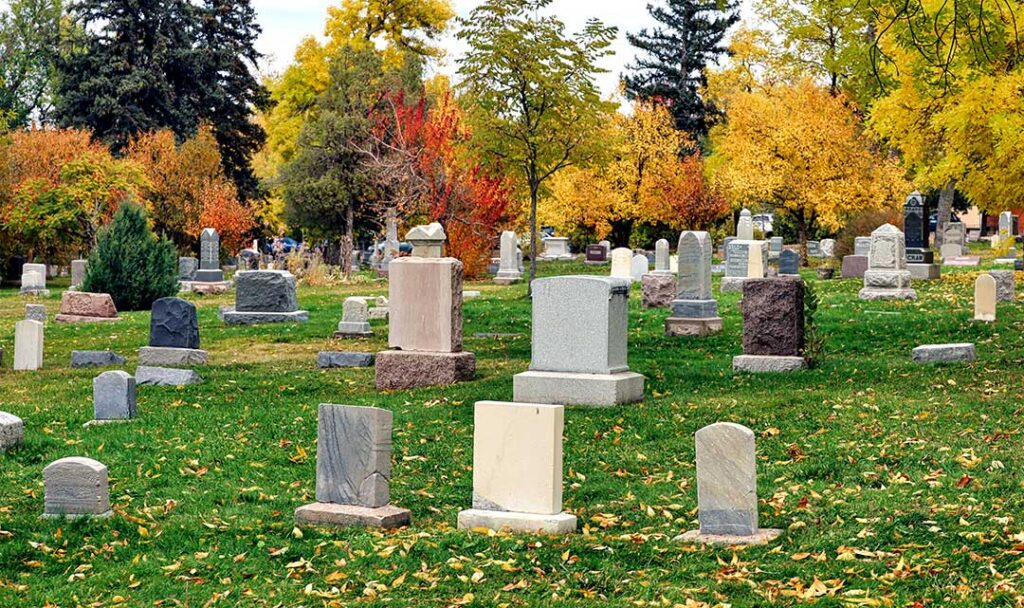
A legacy memorial is more than a grave marker or monument. It is a lasting record of a person, a family, and the values that relatives may want future generations to understand. Thoughtful planning helps ensure that the memorial remains accurate, meaningful, stable, and accessible over time.
What makes a memorial a legacy memorial?
A legacy memorial connects personal remembrance with family history. It may honor one person, several relatives, or a family’s continuing story through names, dates, symbols, photographs, inscriptions, and written records.
A traditional monument can serve as the visible centerpiece, but the legacy may also include:
- A family history document
- Letters or memories from relatives
- Photographs and military or professional records
- A digital archive stored with the family’s important documents
- Information about cultural, religious, or family traditions
- Instructions for future maintenance and additions
The goal is not to include every available detail. The goal is to preserve the information future relatives are most likely to need or value.
What information should be included?
Begin with facts that should remain clear even if family members are no longer available to explain them. Names, birth and death dates, relationships, military service, and places of significance are common starting points.
Before finalizing an inscription, check all names and dates against reliable family records. Common errors include misspelled names, incorrect middle initials, reversed dates, and inconsistent use of nicknames. A small mistake can remain visible for generations and may be difficult or expensive to correct.
Some families choose a short inscription, while others include a phrase, scripture passage, occupation, or symbol. The wording should reflect the individual rather than follow a trend. If space is limited, a brief phrase with a separate family history file may preserve more meaning than a crowded monument.
Consider whether future family members may need clarification. For example, a maiden name, family relationship, or service branch can make genealogical research much easier later.
How should relatives make decisions together?
The planning process works best when family members agree on the purpose of the memorial before discussing its appearance. A useful early question is: “What should a great-grandchild understand about this person by visiting this memorial?”
Family discussions may address:
- Whose stories should be included
- Whether the memorial represents one person or a family group
- Preferred religious, cultural, or secular elements
- The amount of text that feels appropriate
- Whether future names may be added
- Who will keep the related records
Written decisions can prevent confusion after the original planners are gone. Keep a simple record of the approved spelling, inscription, design choices, cemetery location, ownership information, and any future instructions.
It is also wise to identify one or two people who understand the family’s wishes. This does not give them unlimited authority; it gives future relatives a clear starting point if questions arise.
What should be considered before choosing a monument?
The cemetery’s rules should be reviewed before selecting a design or ordering an inscription. Requirements may address monument size, material, foundation construction, placement, lettering, vases, benches, photographs, and decorations.
Some cemeteries require written approval before installation. Others limit the type of memorial permitted in a particular section or require the monument to align with nearby markers. A design that is acceptable in one cemetery may not be allowed in another.
Ask for the current rules in writing and keep them with the family’s planning documents. Verbal guidance can be misunderstood, especially years later when staff, ownership, or policies have changed.
The condition of the ground also matters. Sloped areas, drainage patterns, mature trees, mowing routes, and nearby roots can affect long-term stability and access. A memorial should be planned for the actual cemetery location rather than selected only from a catalog or photograph.
Which materials are suitable for long-term use?
Granite is widely used for outdoor monuments because it is dense, durable, and available in several colors and finishes. Other stone materials may also be appropriate, but their appearance and maintenance needs can vary.
Kansas City experiences hot summers, freezing weather, precipitation, and repeated seasonal changes. Water can enter small cracks, freeze, expand, and contribute to surface damage or movement over time. Tree debris, lawn equipment, deicing materials, and soil settlement can create additional wear.
Durability depends on more than the stone itself. The foundation, base, installation method, drainage, lettering depth, and location all affect how a memorial ages. Highly polished surfaces may show water spots or weathering differently from honed or textured finishes.
Decorative elements should also be selected with care. Metal attachments, ceramic photographs, and added ornaments may weather at different rates from the stone. Some cemeteries restrict attachments because they can create hazards during mowing or maintenance.
How can a family prepare for future additions?
If the memorial may include additional names, plan the layout before the first inscription is completed. A monument with no available space may require replacement or a separate marker later.
Ask whether the cemetery permits:
- Additional inscriptions on the back or sides
- Dates to be added after a future death
- Matching companion markers
- Urn memorials or cremation-related inscriptions
- Changes to vases, plaques, or attached elements
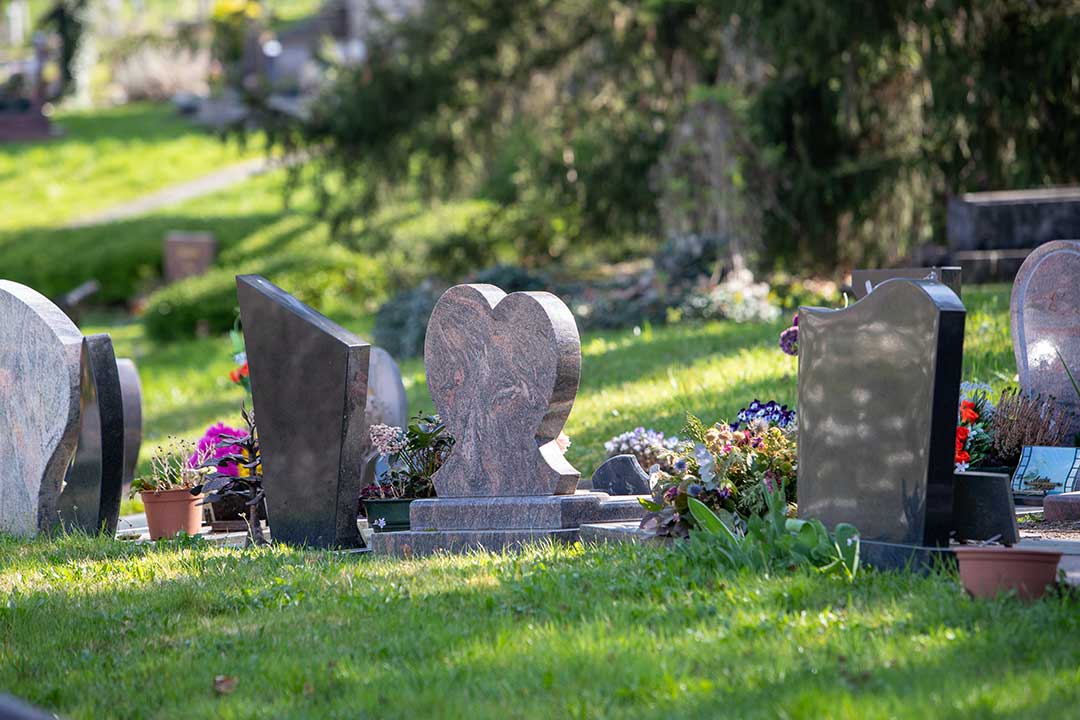
Leave a written record describing the intended order of names and any preferred wording. Future relatives may have different ideas about design, so clear documentation can help preserve the original purpose without preventing reasonable updates.
Avoid placing essential family history only on the monument. Stone can be damaged, relocated, or difficult to read. Keep a separate digital and paper record with photographs of the completed memorial, cemetery section details, and the reasoning behind important choices.
How should the memorial be maintained?
A legacy memorial needs a realistic maintenance plan. Identify who will check its condition, how often inspections should occur, and where photographs or records will be stored.
Routine care may include looking for:
- Leaning or shifting
- Cracks, chips, or loose pieces
- Faded lettering or damaged photographs
- Soil erosion around the base
- Moss, lichen, or plant growth
- Damage from storms, mowing, or fallen branches
Cleaning should be conservative. Harsh chemicals, wire brushes, pressure washing, and household products can permanently damage stone or lettering. Cemetery rules may also limit cleaning methods. If a monument is unstable, broken, or too heavy to handle safely, do not attempt to move or repair it without appropriate guidance.
Seasonal weather makes spring and fall useful times for visual inspections. After severe storms, families may also want to check for fallen limbs, standing water, or changes in the ground around the memorial.
What records should be preserved with the memorial plan?
A complete legacy file can be kept with estate documents or other important family records. It should contain:
- The final inscription and approved spelling
- A photograph of the monument
- The cemetery name and section or lot information
- Ownership or authorization documents
- Cemetery rules in effect when the memorial was installed
- Names of people responsible for future decisions
- A family history narrative or collection of memories
- Instructions for adding names or updating records
Tell more than one trusted family member where the file is stored. Digital copies should be kept in a format that can be opened without specialized software, and paper copies should be protected from moisture and loss.
The most enduring memorials combine sound physical planning with accessible family knowledge. A carefully chosen monument gives future generations a place to visit, while accurate records and personal stories help them understand the life being remembered.